
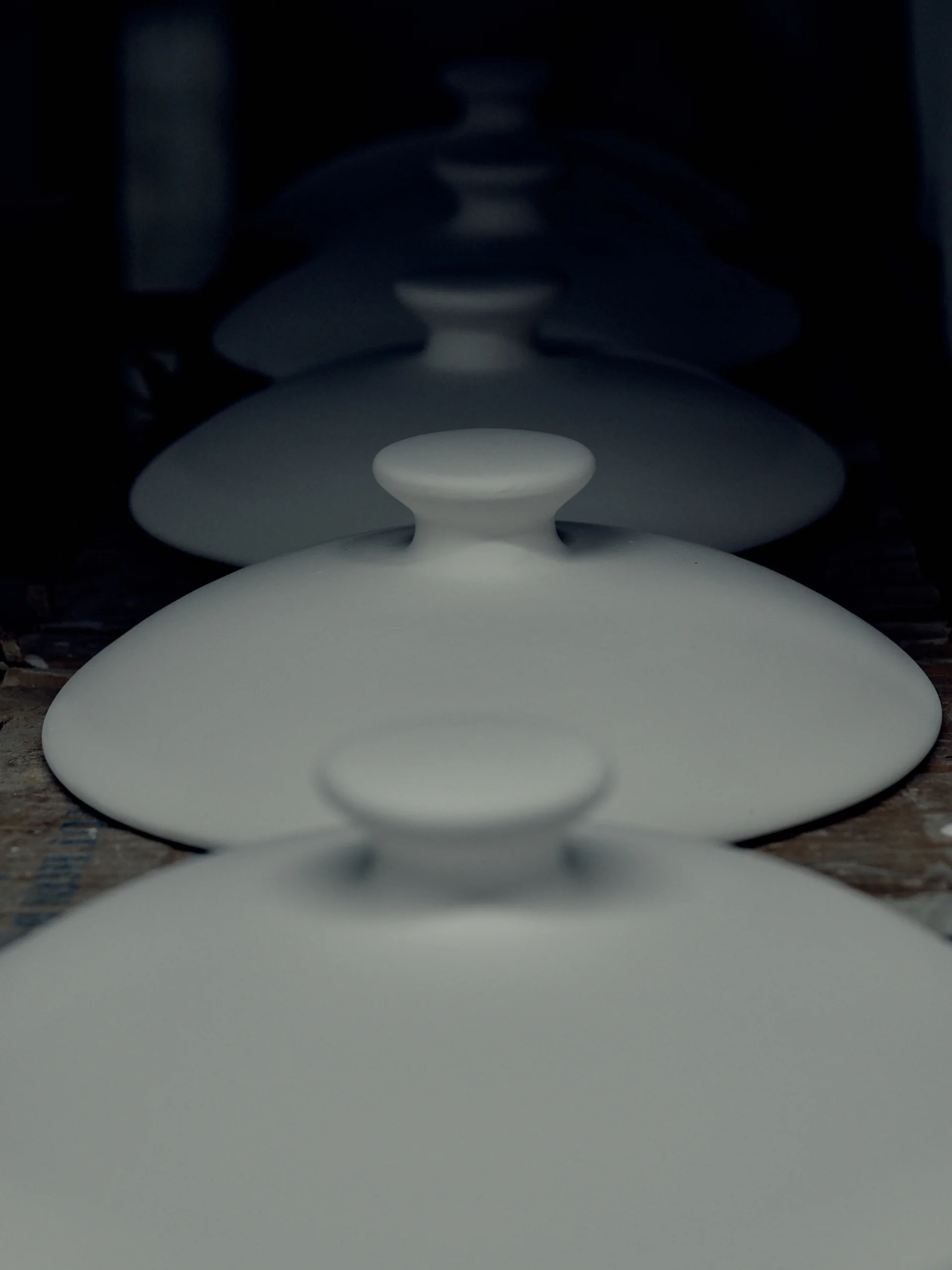
Process
Each Kyn & Folk vessel begins as something soft and unformed, moving through many skilled hands across a series of considered steps. What emerges is an object shaped by time, material, and touch.

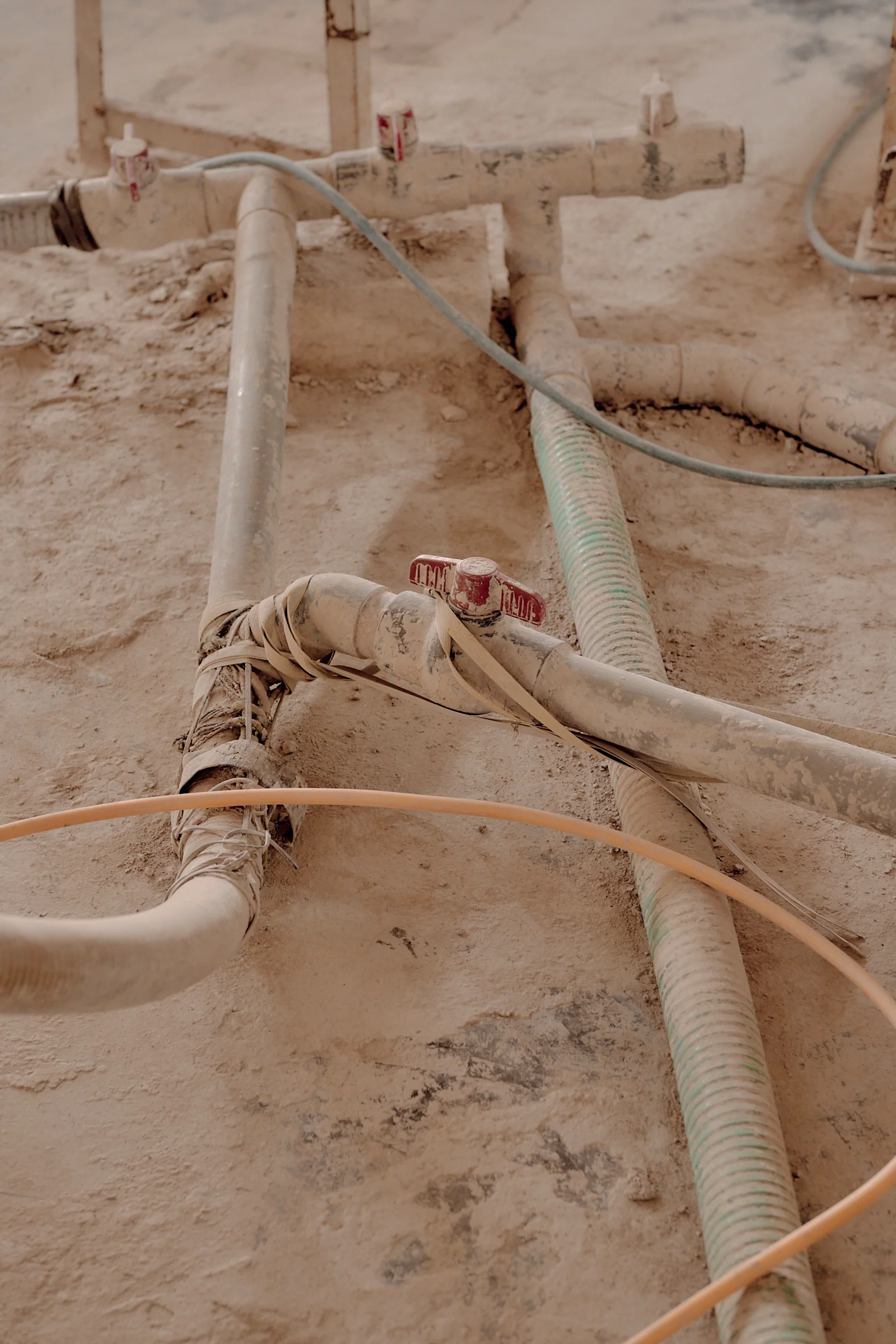
Our vessels are created using slip casting - a method that balances precision with the softness of handwork. Raw materials are transformed into liquid clay and poured into molds, where each piece slowly begins to take shape.

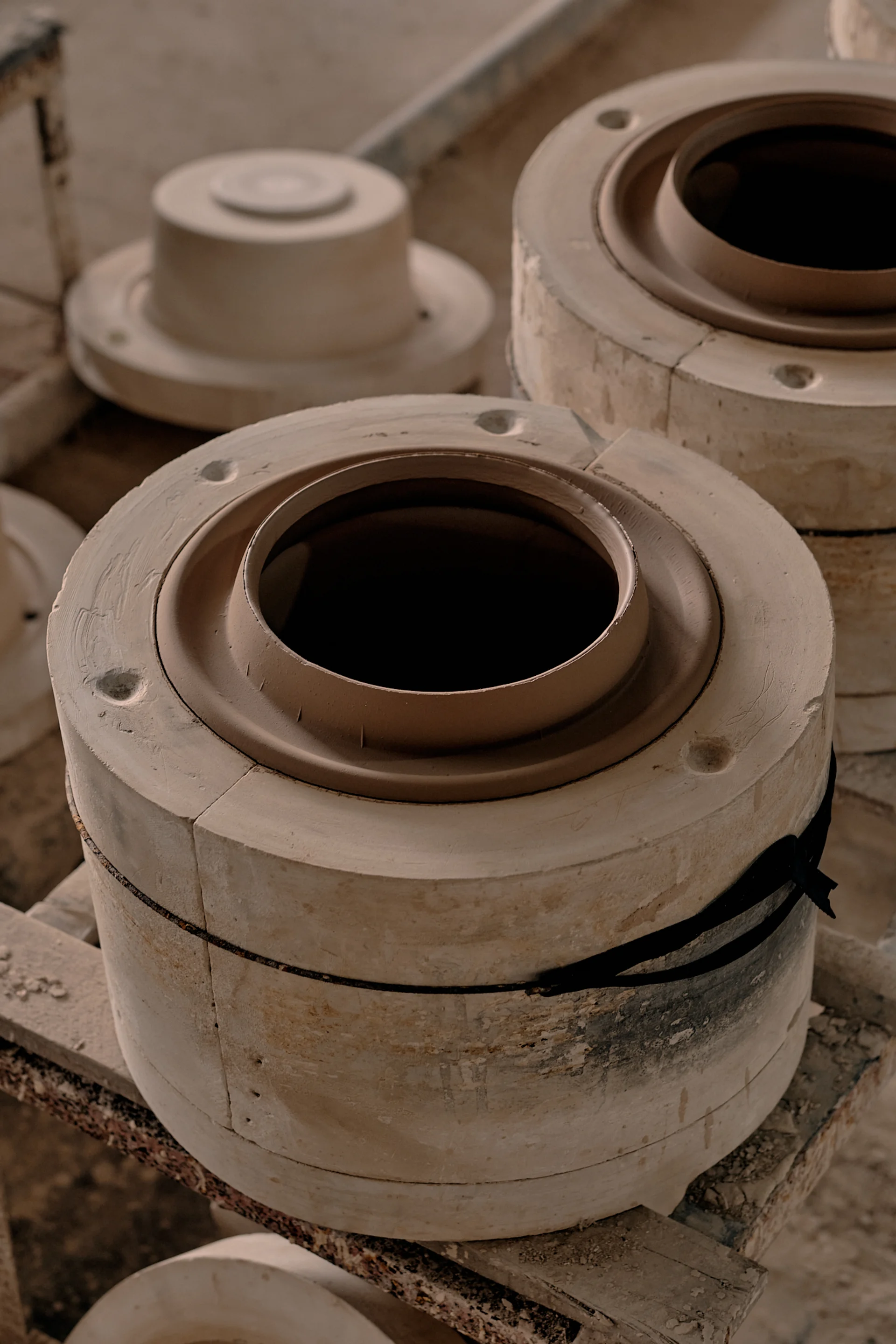
While the initial vessel design was hand-thrown on a pottery wheel, a mold master then translated the idea into a replicable form. A process that demands absolute precision.
As the slip settles in the mold, a consistent structure begins to form. Once released, each piece is left to dry naturally to stabilise before it can be handled.

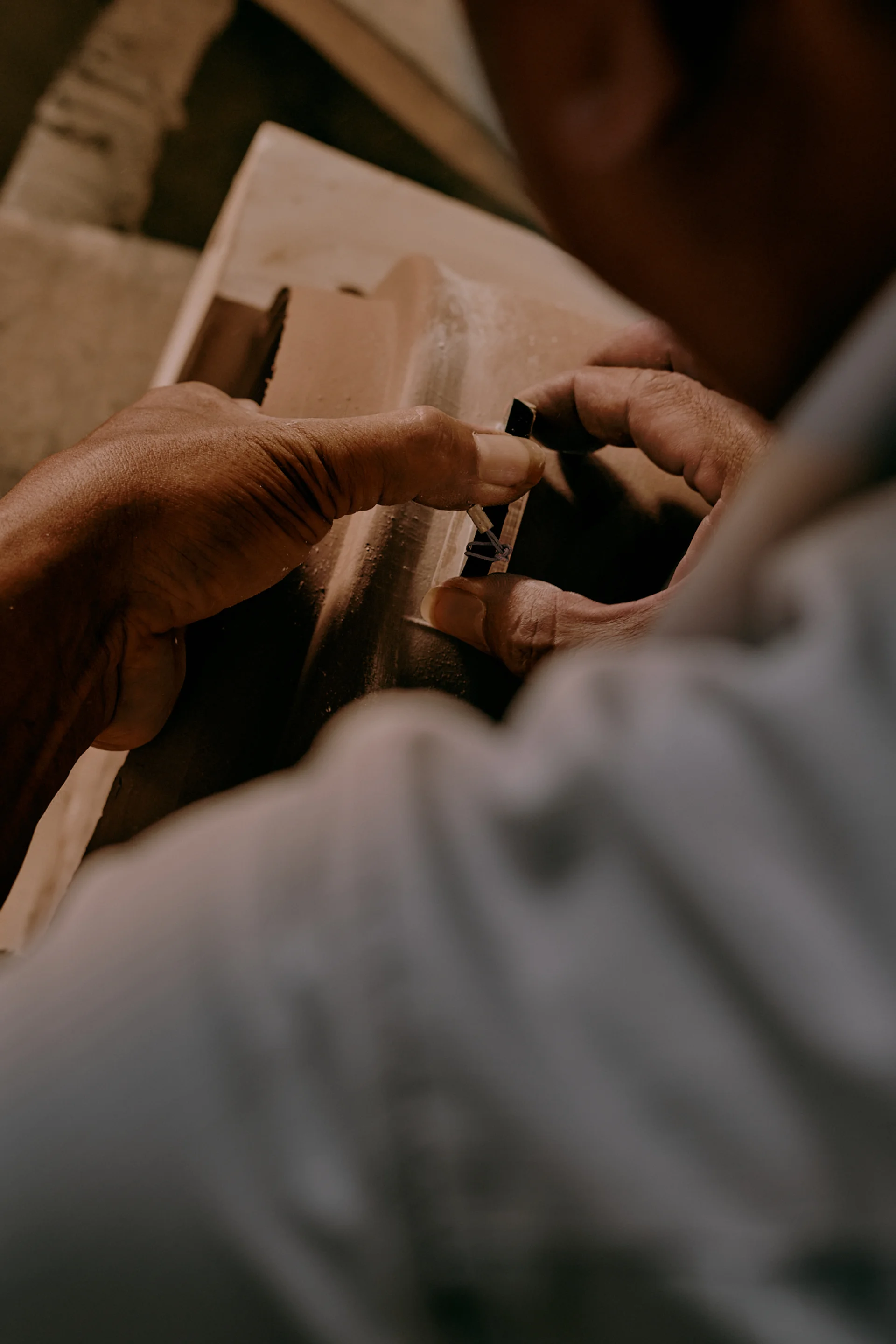
Each piece is then refined by hand. Edges are carefully trimmed. Surfaces are softened. Our Kyn & Folk stamp is pressed into the body of the clay.

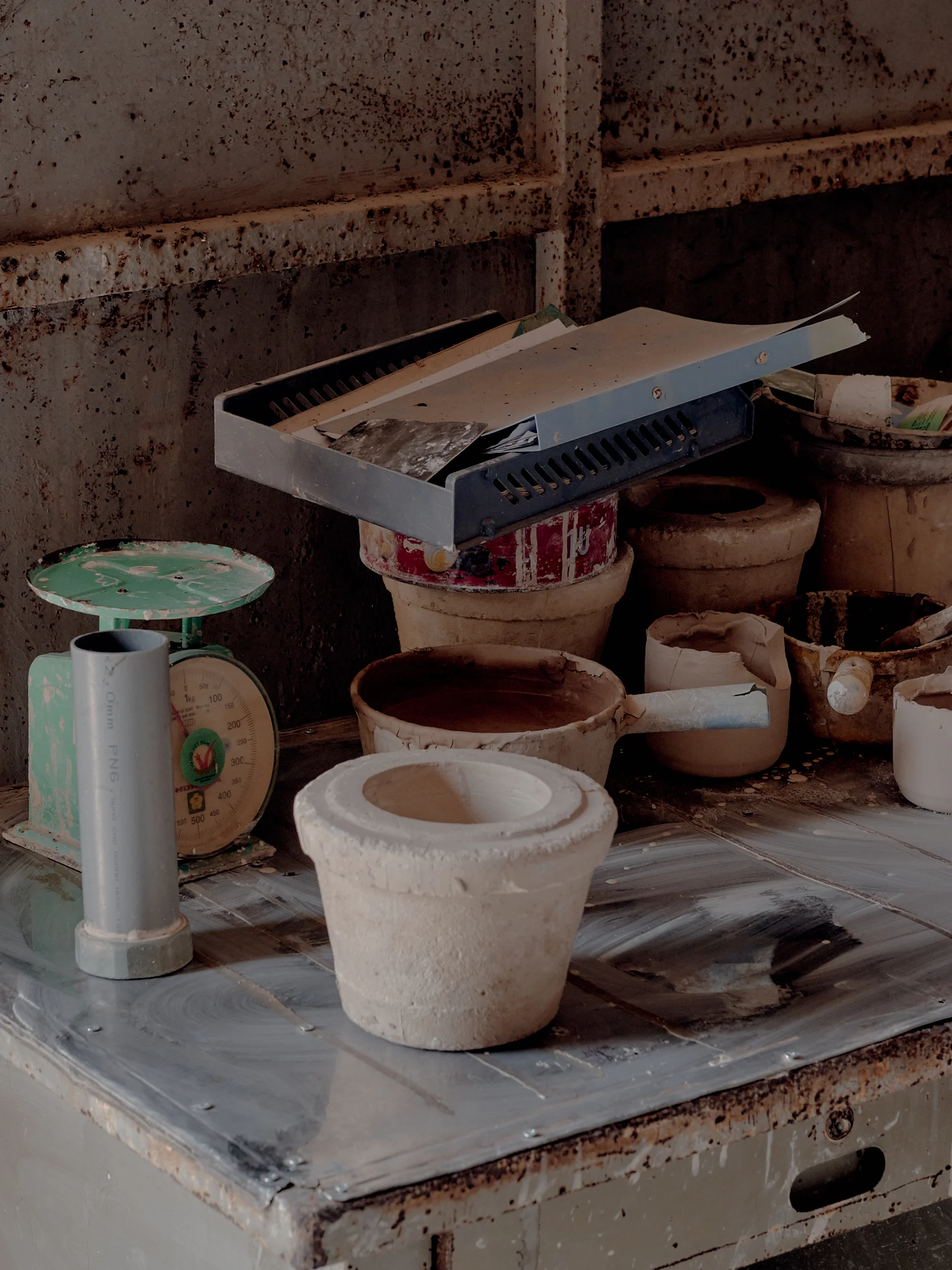
As a four-part system, our Ceramic Water Filters present a unique challenge when it comes to glaze application. Each curve, edge, and internal surface must be evenly coated to ensure both colour consistency and a fully sealed, functional finish.
The application of glaze on such large and intricate ceramic objects is a spectacle in itself - a skill developed over years that is as much instinct as it is technique.
The outcome of each glaze composition is never promised. Each firing relies on a series of complex chemical reactions within the kiln, where even the smallest variation can influence the result. Successfully reproducing a single colour is no easy feat, and variances reflect the inevitable unpredictability of ceramic creation.

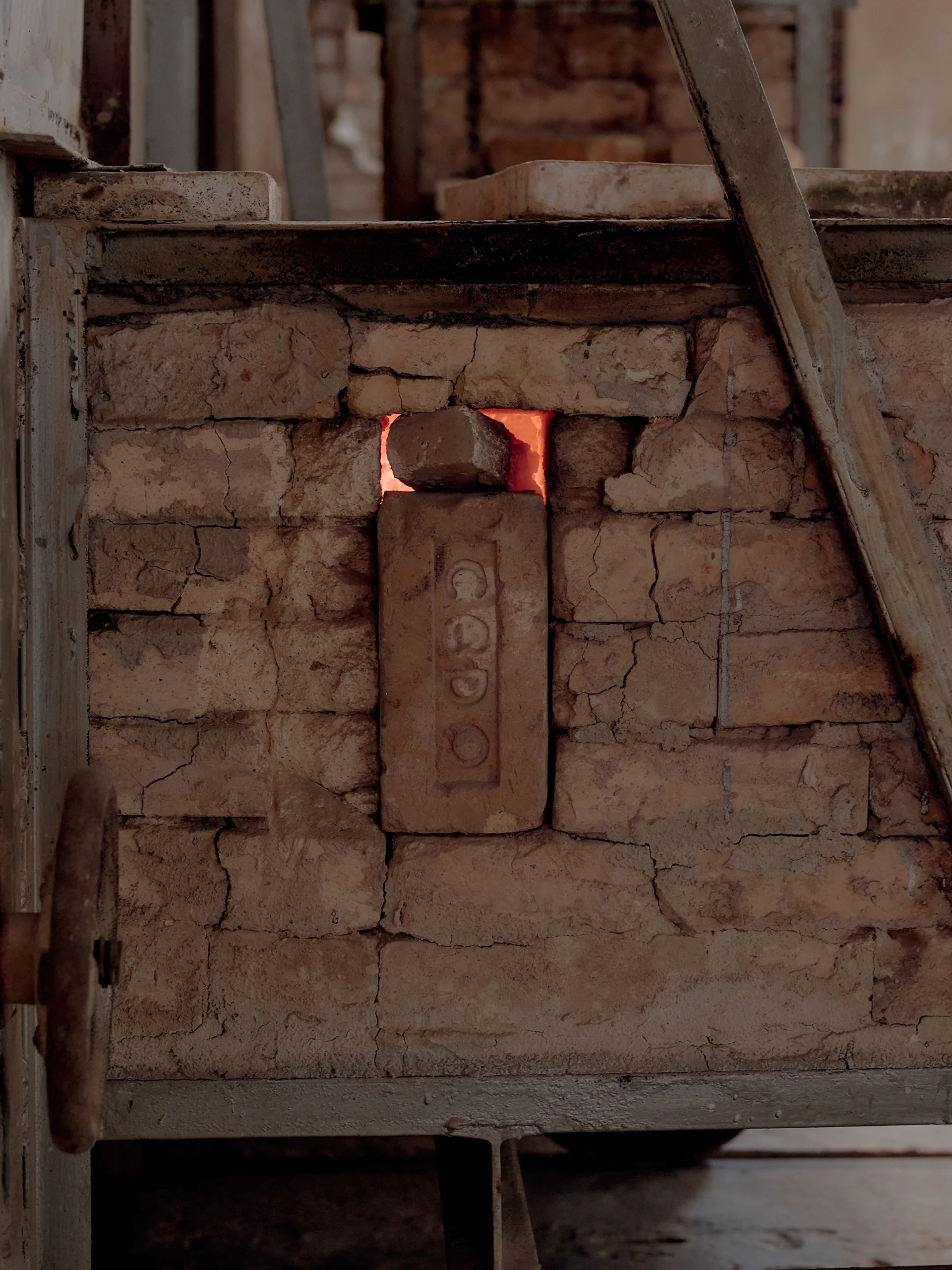
Each Kyn & Folk vessel is fired in a SIZE gas kiln. This is where clay and glaze fuse, and the vessel becomes permanent. It is also the most unpredictable stage, with a myriad of variables to contend with each time the kiln door is closed.
Temperature, placement, and atmosphere all play a role in the final outcome. Over several days, the kiln reaches temperatures of up to 1250°C - transforming porous clay into dense, vitrified stoneware.

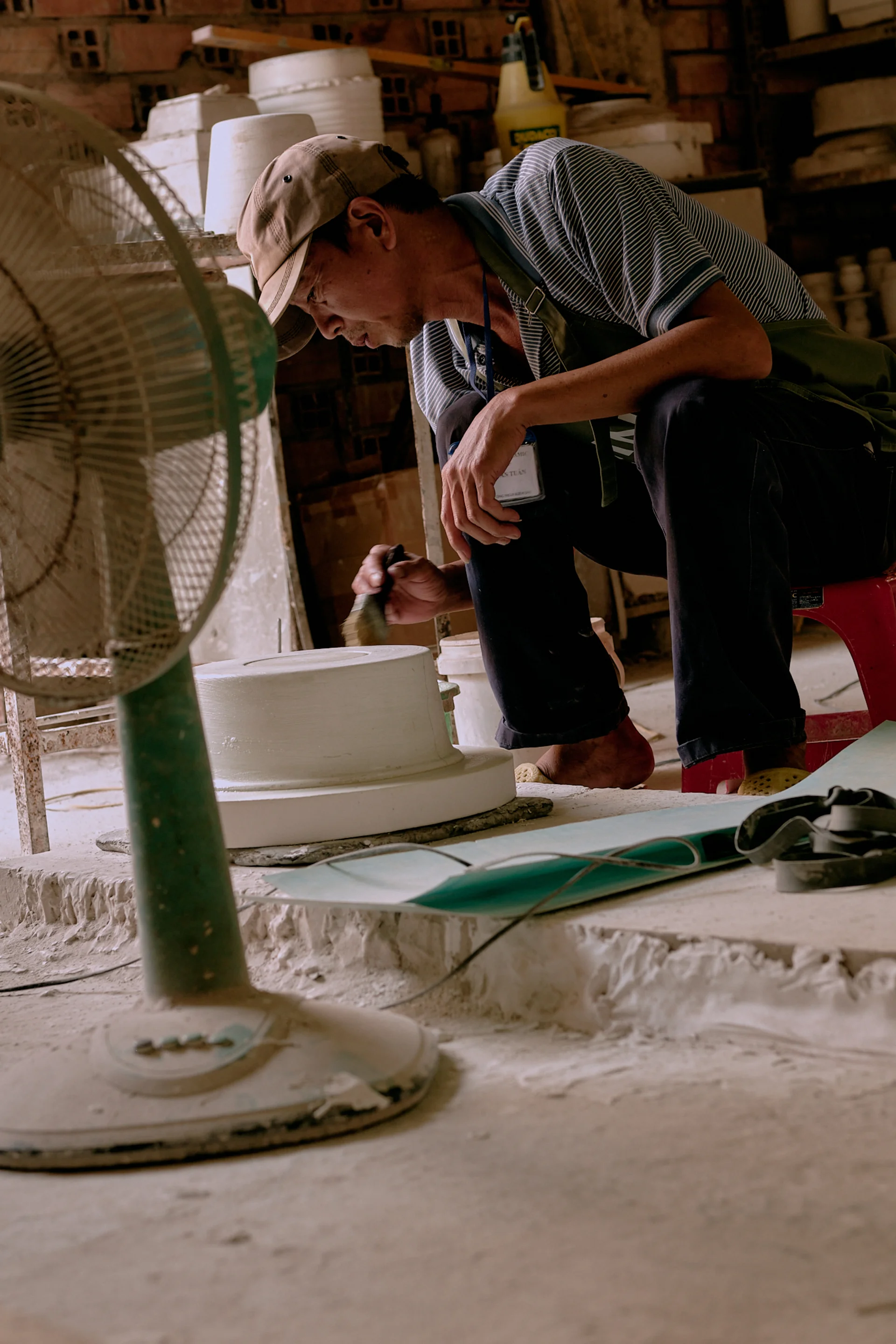
Makers
Our ceramics are crafted in Đồng Nai Province, a region in southern Vietnam with a long-standing history of ceramic production. For generations, this area has been home to makers who have worked closely with clay - refining techniques, passing down knowledge, and building a deep understanding of material and process over time.
Skills are learned slowly, repeated, refined, and carried forward. Not through instruction alone, but through years of practice.
We work closely with these skilled makers, combining traditional techniques with a considered, contemporary approach to form and finish. Each piece passes through many hands before it reaches yours - shaped by a shared understanding of material, patience, and care.

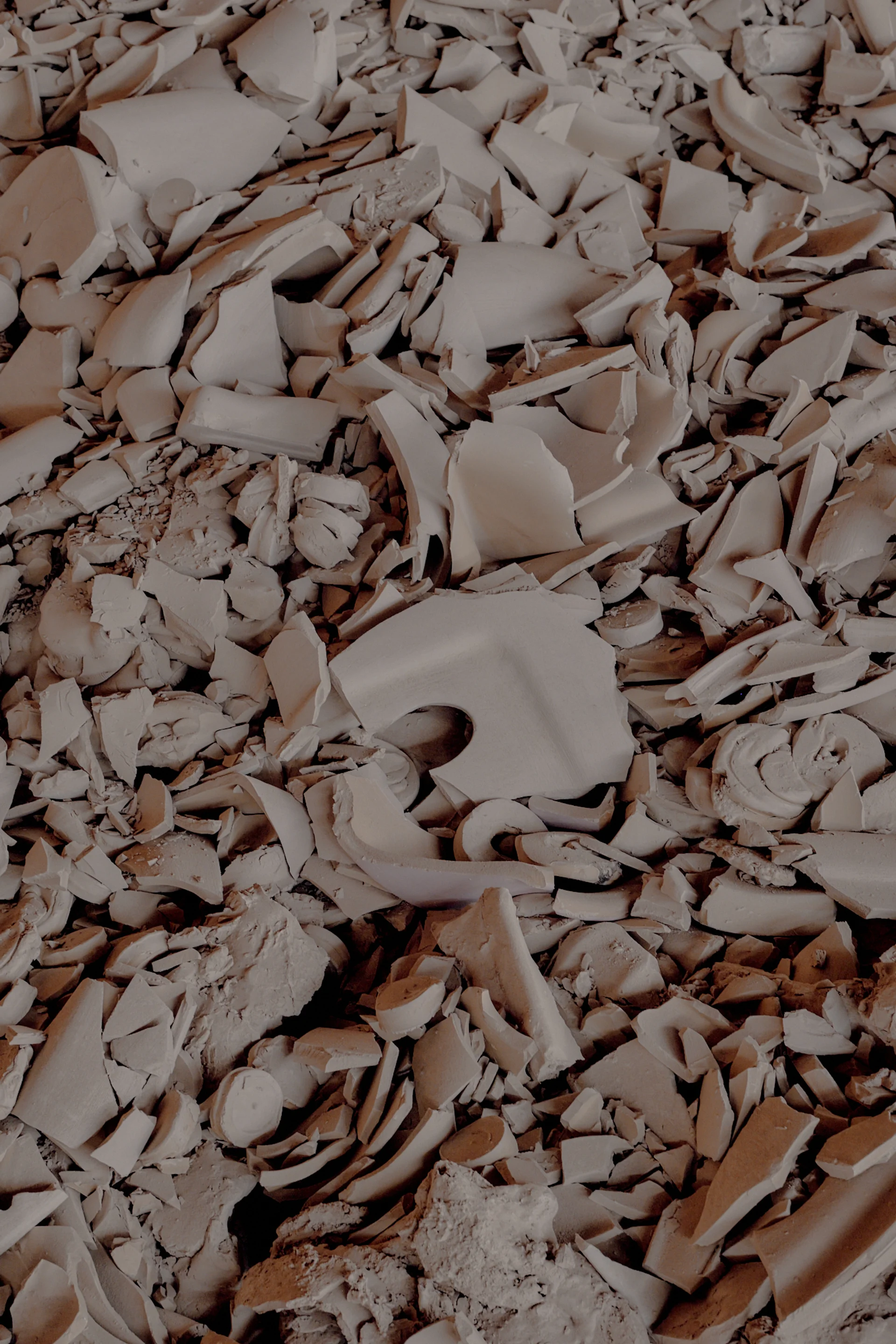
Material
For thousands of years, clay vessels have been shaped, fired, and used in daily life - across cultures, climates, and generations.
Long before modern filtration or refrigeration, water was stored in ceramic for its ability to keep it cool, protected, and close at hand.
Stoneware, in particular, is valued for its density and durability. Fired at high temperatures, it becomes non-porous when glazed - creating a stable, food-safe surface designed for everyday use.
From early utilitarian wares to more refined domestic objects, stoneware has long existed at the intersection of function and craft.

